
Asset Tokenization Impact: Your Guide to the $16 Trillion Revolution
Table of Contents:
- Introduction: Beyond Fiat – The New Definition of Money
- Market Deep-Dive: Understanding the Mechanics of the Tokenization Wave
- The Core of Asset Tokenization Impact: What It Means for Your Portfolio
- The Technology Driving the Trillion-Dollar Shift
- Real-World Assets (RWA): The New Frontier for Crypto Growth
- Price & Ecosystem Impact: How Tokenization Will Reshape Crypto Valuations
- The Long-Term Asset Tokenization Impact on Bitcoin and Altcoins
- Your Actionable Investor Plan for 2026
- How to Invest in the Asset Tokenization Impact
- Potential Risks and How to Mitigate Them
- Expected Gains: A Realistic Outlook
- Conclusion & Frequently Asked Questions
The financial world is on the brink of its most significant transformation in over a century, and you are positioned to be an early beneficiary. A recent statement from a Kraken executive highlights a fundamental truth: ‘tokenization has moved past money only meaning fiat’. This isn’t just industry jargon; it’s a signal of a seismic shift where everything from real estate to fine art can be fractionalized, traded, and settled on a blockchain in seconds. The core problem with traditional finance has always been friction. Selling a portion of your real estate investment can take months, involve costly intermediaries, and is often impossible for smaller investors. This illiquidity locks up trillions of dollars in value. The solution is here, and it’s powered by blockchain. This guide provides a deep dive into the Asset Tokenization Impact, moving beyond the headlines to give you a clear, actionable strategy. We will explore how this technological leap is creating a new investment paradigm, democratizing access to once-exclusive markets, and fundamentally altering the value proposition of cryptocurrencies like Bitcoin and Ethereum. Understanding the full scope of the Asset Tokenization Impact is no longer optional for the serious investor; it’s the key to unlocking the next wave of generational wealth in the digital asset space. This isn’t about chasing fleeting trends; it’s about strategically positioning yourself for a future where the line between physical and digital assets blurs, creating unprecedented opportunities for those who act now. This analysis will show you exactly where those opportunities lie and how to capitalize on them.
Market Deep-Dive: Understanding the Mechanics of the Tokenization Wave
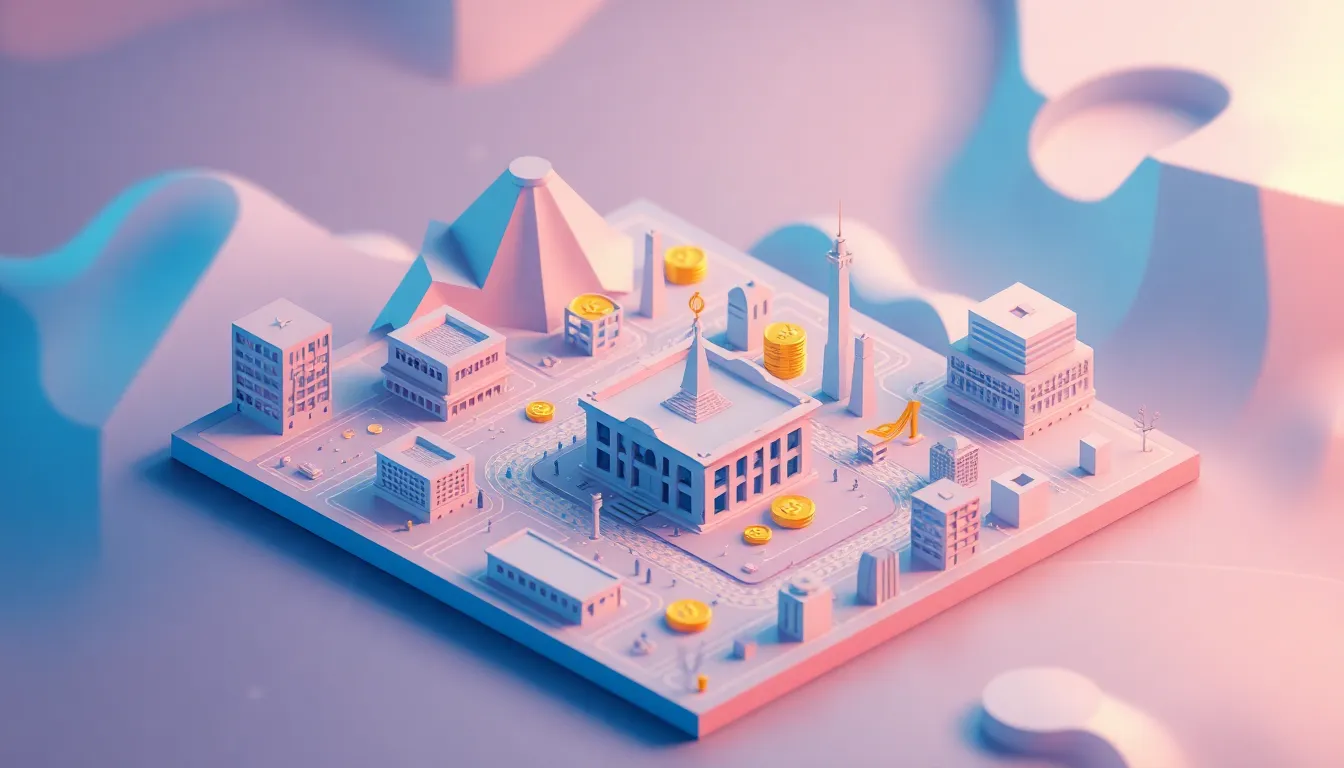
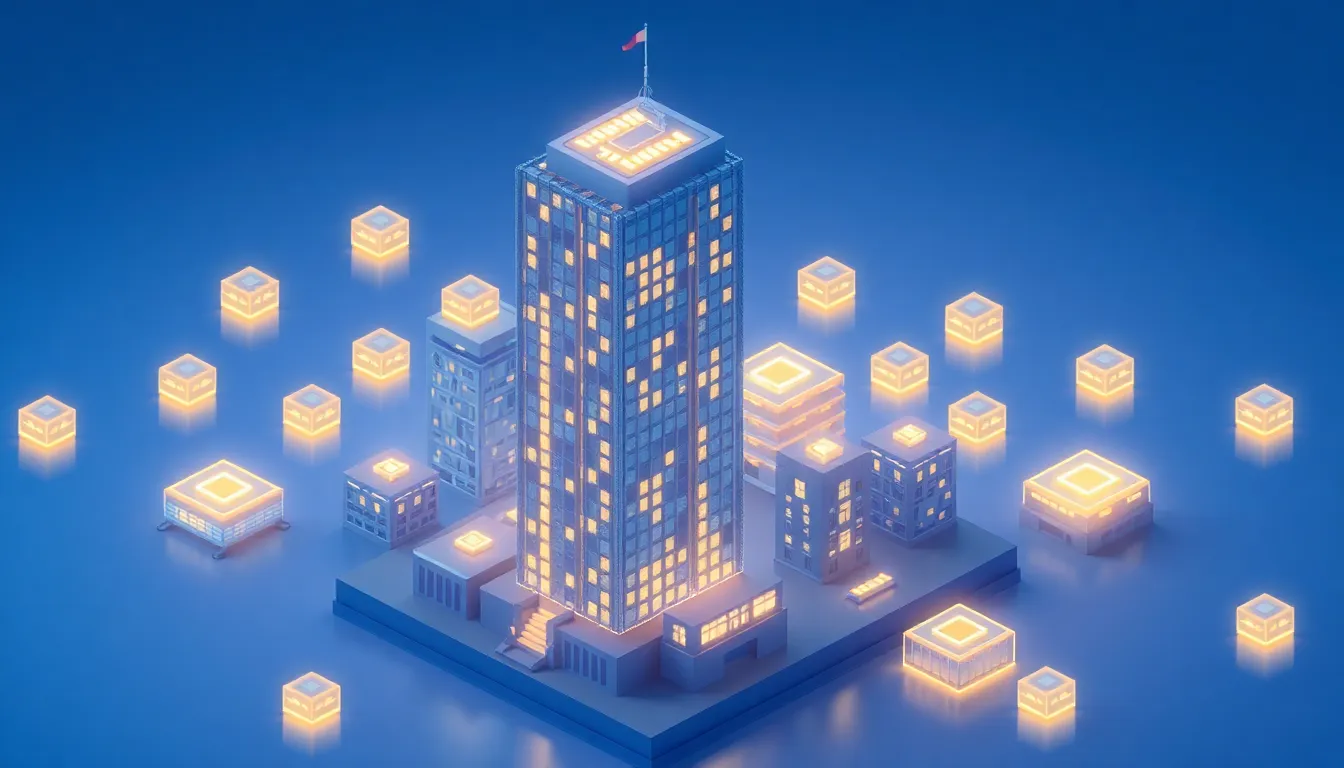
To truly grasp the investment opportunity, you must first understand the mechanics behind this revolution. Asset tokenization is the process of converting rights to a real-world asset (RWA) into a digital token on a blockchain. Think of it as creating a digital ‘share’ of a physical item. If you own a $1 million commercial building, you can issue 1 million tokens, each representing a one-millionth ownership stake. These tokens can then be traded on a 24/7 global market, just like a cryptocurrency. This process shatters the traditional barriers of high minimum investments and geographical limitations. The profound nature of the Asset Tokenization Impact lies in its ability to inject liquidity into historically illiquid markets. The Boston Consulting Group estimates this market could swell to an astonishing $16 trillion by 2030. This isn’t a distant dream; it’s happening now. Data from RWA.xyz shows nearly $415 billion in real-world assets are already on-chain, a figure that is growing exponentially. The Kraken executive’s point is that money is evolving. Your savings don’t have to be in a depreciating fiat currency. With tokenization, you can save in a fraction of a Tesla stock, a piece of a Manhattan apartment, or a sliver of a Picasso. This is the future of wealth management, and understanding the Asset Tokenization Impact is your first step toward mastering it.
The Core of Asset Tokenization Impact: What It Means for Your Portfolio
For you, the investor, the Asset Tokenization Impact translates into three primary benefits: diversification, accessibility, and efficiency. Firstly, you can now diversify your portfolio into asset classes that were previously reserved for institutional or ultra-high-net-worth individuals. Private equity, venture capital, and commercial real estate become accessible with just a few clicks. Secondly, fractional ownership means you don’t need millions to invest. You can buy $100 worth of a tokenized asset, allowing for precise portfolio allocation and risk management. Thirdly, the efficiency is unparalleled. As the Kraken executive noted, moving traditional stocks between brokers can take weeks. Moving a tokenized asset from one wallet to another takes seconds and costs a fraction of the price. This efficiency reduces overhead, eliminates costly intermediaries like custodians and brokers, and allows for near-instant settlement of trades. The true Asset Tokenization Impact is this radical democratization of finance, putting you on a more level playing field with the world’s largest financial institutions.
The Technology Driving the Trillion-Dollar Shift
This financial revolution is built on the back of robust blockchain technology. Ethereum remains the dominant platform for asset tokenization due to its mature smart contract capabilities and established token standards like ERC-20 for fungible tokens and ERC-721 for unique assets (NFTs). However, other high-performance blockchains like Solana and Avalanche are gaining traction, offering lower fees and faster transaction speeds, which are critical for high-frequency trading of tokenized assets. The key takeaway for you is that the value of these Layer-1 blockchains will become increasingly tied to the total value of the real-world assets they secure. As trillions of dollars in real estate, bonds, and equity move on-chain, the demand for the native tokens of these networks (like ETH and SOL) for paying transaction fees and securing the network will skyrocket. This is a fundamental driver of the long-term Asset Tokenization Impact on crypto prices.
Real-World Assets (RWA): The New Frontier for Crypto Growth
The conversation around the Asset Tokenization Impact is synonymous with Real-World Assets (RWA). This is the sector where the theory meets reality. We are seeing a surge in platforms dedicated to bringing RWAs on-chain. Companies are tokenizing everything from U.S. Treasury Bills (T-Bills), allowing crypto-native users to access stable, traditional yields, to private credit and trade finance. This fusion of Traditional Finance (TradFi) and Decentralized Finance (DeFi) is creating a powerful new financial ecosystem. Exchanges like Kraken and Coinbase are aggressively expanding into this space, offering tokenized stocks and building institutional-grade platforms. This isn’t a niche experiment; it’s a strategic business decision by the industry’s biggest players. They see the immense potential and are building the infrastructure to capture it. The ongoing Asset Tokenization Impact is a clear signal that the crypto industry is maturing, moving from purely speculative assets to integrating and improving the largest financial markets in the world. For you, this means the investment opportunities are becoming more tangible and are backed by real, cash-flow-generating assets. The growth of the RWA sector is a primary catalyst for the next bull market, and the Asset Tokenization Impact will be felt across the entire digital asset landscape.
Price & Ecosystem Impact: How Tokenization Will Reshape Crypto Valuations
The influx of trillions of dollars from traditional markets will have a monumental effect on crypto valuations, but not all assets will benefit equally. Understanding where this value will accrue is critical to your investment strategy. The Asset Tokenization Impact will create clear winners and losers. The primary beneficiaries will be the foundational layers of the new tokenized economy: the Layer-1 blockchains that host the assets and the oracle networks that connect them to real-world data.
The Long-Term Asset Tokenization Impact on Bitcoin and Altcoins
For Bitcoin (BTC), the Asset Tokenization Impact is more indirect but profoundly bullish. As the most secure, decentralized, and trusted asset in the crypto space, Bitcoin is poised to become the primary reserve collateral for the tokenized world. As tokenized assets need a stable and reliable base layer for settlement and value storage, BTC’s role as ‘digital gold’ becomes even more critical. Expect to see institutional demand for Bitcoin increase as it’s integrated into the plumbing of this new financial system. For altcoins, the impact is more direct. Ethereum (ETH), Solana (SOL), and other smart contract platforms will directly benefit as their networks are used to issue and trade these assets. The value of their native tokens will be driven by real-world economic activity, not just speculation. A significant portion of the transaction fees generated from the $16 trillion RWA market will flow back to these ecosystems, creating a sustainable source of revenue and value accrual for token holders. Furthermore, specialized protocols focusing on the RWA niche, such as Chainlink (LINK) for providing essential price feeds and Ondo Finance for tokenizing T-Bills, are prime candidates for exponential growth. The Asset Tokenization Impact creates a clear investment thesis: bet on the infrastructure that will power this multi-trillion dollar migration of value.
BullRunKR Pro Tip: Look beyond the obvious Layer-1s. The real alpha may lie in ‘middleware’ protocols. Projects focused on digital identity (DID), cross-chain RWA interoperability, and regulatory compliance for tokenized assets are the unglamorous but essential plumbing. These are often undervalued as they are less hyped, but they will be critical for institutional adoption and represent a massive growth area within the broader Asset Tokenization Impact narrative.
Your Actionable Investor Plan for 2026
Knowledge without action is useless. This section provides a clear, strategic framework for you to capitalize on the Asset Tokenization Impact. This is a long-term play, and your positioning over the next 12-24 months could define your portfolio’s performance for the next decade. The Asset Tokenization Impact is not a fleeting trend; it’s a structural shift in global finance.
How to Invest in the Asset Tokenization Impact
Your strategy should be multi-pronged, targeting different layers of the RWA ecosystem to balance risk and capture upside potential. Consider this three-tiered approach:
- The Foundation (Lower Risk): Allocate a portion of your portfolio to the dominant Layer-1 blockchains like Ethereum (ETH). As the primary settlement layer for the majority of current RWAs, its success is directly linked to the growth of the tokenized economy. The Asset Tokenization Impact will drive demand for ETH to pay for transactions.
- The Infrastructure (Medium Risk): Invest in critical infrastructure protocols. This includes oracle networks like Chainlink (LINK), which are essential for connecting on-chain assets with off-chain data. Without reliable oracles, the entire RWA market cannot function. The Asset Tokenization Impact is fundamentally dependent on this layer.
- The Application (Higher Risk): Explore specific RWA-focused platforms like Centrifuge (CFG) or Ondo Finance (ONDO). These are the ‘blue chips’ of the emerging RWA sector. Do your own research thoroughly, as this is a newer and more volatile part of the market. The potential returns here are higher, but so are the risks. Explore more Crypto Investment Strategies at BullRunKR to refine your approach.
Potential Risks and How to Mitigate Them
Investing in this emerging sector is not without risks. The three main challenges are regulatory uncertainty, smart contract vulnerabilities, and oracle manipulation. The regulatory landscape for tokenized securities is still evolving globally. To mitigate this, focus on projects that are transparent about their legal frameworks and are actively engaging with regulators. Smart contract risk is inherent in DeFi; mitigate it by investing in protocols that have undergone multiple third-party audits. Finally, oracle risk can be mitigated by choosing platforms that use decentralized oracle networks like Chainlink, which are more resilient to single points of failure. Diversification across all three tiers of the RWA ecosystem is your best defense against these risks while capitalizing on the Asset Tokenization Impact.
Expected Gains: A Realistic Outlook
While a $16 trillion market projection is exciting, it’s crucial to maintain a realistic perspective. This transformation will take years, not months. The gains will likely come in waves, correlated with major regulatory clarifications and successful institutional pilots. Early investors in the foundational and infrastructure layers could see significant multiples over a 3-5 year horizon. The Asset Tokenization Impact is a marathon, not a sprint. Your goal should be to build a resilient portfolio that can weather short-term volatility to capture the immense long-term upside. Read the full report on Cointelegraph here for more context on the industry’s direction.
Conclusion & Frequently Asked Questions
We are witnessing the dawn of a new financial era. The commentary from Kraken’s leadership is not an isolated opinion but a reflection of an industry-wide consensus: the future is tokenized. The convergence of real-world assets with blockchain technology is the single most significant growth catalyst for the digital asset space. For you, the investor, this presents a rare opportunity to get in on the ground floor of a multi-trillion dollar market shift. By understanding the core technology, identifying the key players, and implementing a strategic, multi-tiered investment plan, you can position your portfolio to benefit immensely from the coming wave. The Asset Tokenization Impact will redefine what it means to invest, save, and transact, creating a more efficient, accessible, and liquid global financial system. The time to act is now.
FAQ
What is asset tokenization?
Asset tokenization is the process of converting the ownership rights of a real-world asset, such as real estate or art, into a digital token on a blockchain. This allows for fractional ownership and easy, efficient trading on a global, 24/7 basis.
Is investing in tokenized assets safe?
Safety depends on the platform and the underlying asset. Risks include regulatory uncertainty and smart contract vulnerabilities. To mitigate these, it’s crucial to use reputable platforms that have been audited and are compliant with local regulations.
Which cryptocurrencies will benefit most from tokenization?
Layer-1 blockchains that host the tokenized assets (like Ethereum and Solana) and essential infrastructure protocols (like oracle network Chainlink) are positioned to benefit the most from the growth of the RWA sector and the overall Asset Tokenization Impact.
How does tokenization differ from securitization?
While both involve pooling assets and issuing financial instruments, tokenization uses blockchain technology. This offers key advantages like greater transparency, 24/7 markets, faster settlement, and lower transaction costs compared to traditional securitization.
Can I tokenize my own assets?
Technically, yes, but the process is complex. It involves legal, regulatory, and technical hurdles. Currently, this is primarily done through specialized platforms and is more accessible for businesses and large asset holders, though this is expected to become more democratized over time.